
Preparing for a new year is not just a productivity trend — it’s one of the most effective strategies to reduce stress, improve time management, and build consistent routines. As 2026 approaches, people across all lifestyles are already thinking about how to stay organized, manage responsibilities more efficiently, and set up systems that actually support their goals.
Whether you’re managing a busy home, building your career, or supporting students, early organization helps create a smoother and more structured year. This comprehensive guide explores proven strategies, psychological benefits, and practical tools for getting ahead in 2026.
1. Why Early Organization for 2026 Matters
Getting organized before 2026 begins allows you to:
- Reduce the pressure of beginning-of-year chaos
- Establish routines earlier
- Remove clutter and distractions
- Improve decision-making
- Strengthen time-management habits
- Reduce emotional and mental fatigue
Early preparation prevents the typical January overload and ensures you begin the year with clear direction and momentum.

2. The Psychological Benefits of Pre-Year Planning
Early organization is deeply connected to improved mental health, higher productivity, and greater emotional stability.
Reduced Cognitive Overload
Cluttered environments require your brain to process unnecessary stimuli. When you set up systems early — calendars, planners, organized spaces — your cognitive load drops and focus improves.
Improved Emotional Stability
Structured spaces and defined routines reduce stress and uncertainty. Seeing your schedule clearly laid out (especially on a physical wall calendar) increases confidence and reduces anxiety.
Higher Motivation and Follow-Through
Studies show that people are more likely to follow through with goals when they have visually clear, structured plans. Tools like planners, wall calendars, and fridge calendars support this.

Price: $19.99
3. Home Organization Strategies for 2026
Your home environment significantly influences your ability to stay organized. By setting up functional systems before the year begins, you create predictability and ease in your day-to-day routines.
Focus on High-Impact Spaces
Certain areas of your home affect your daily flow more than others. Prioritize:
- Entryways
- Kitchen counters
- Home office zones
- Homework stations
- Bedroom nightstands
- Laundry centers
A small reset in these areas creates outsized benefits.
4. Family Command Center Systems
A family command center is a centralized location that keeps schedules, tasks, and responsibilities easy to see and manage. This system is extremely useful for busy households, parents, remote workers, and students.
What Should Be Included
- Large wall calendar
- Magnetic fridge calendar
- Weekly meal planning sheet
- Chore charts
- Inbox/outbox for papers
- Important reminders board
- Pen holder + note pads
This setup reduces missed appointments, school paper chaos, and household confusion.

Price:$16.99
Best Placement in the Home
- Kitchen wall
- Side of the refrigerator
- Hallway drop zone
- Dining area
These high-traffic areas guarantee visibility.

5. Digital vs Physical Planning Tools: What Works Best in 2026
There is ongoing debate about whether digital or physical planning tools are more effective. In reality, the strongest system uses both.
Benefits of Physical Tools
- Visual reminders reinforce habits
- Reduce digital fatigue and app overload
- Easier for families and teams to see
- Promote memory retention
- Create a sense of structure
Physical planning tools include:
- Wall calendars
- Magnetic fridge calendars
- Daily/weekly/monthly planners
- Bullet journals
Benefits of Digital Tools
- Sync across multiple devices
- Offer reminder notifications
- Ideal for time-sensitive alerts
- Useful for team scheduling
Best Hybrid Approach
Use physical tools for long-term planning, visual tracking, and family systems, and digital apps for reminders, quick edits, and scheduling on the go.
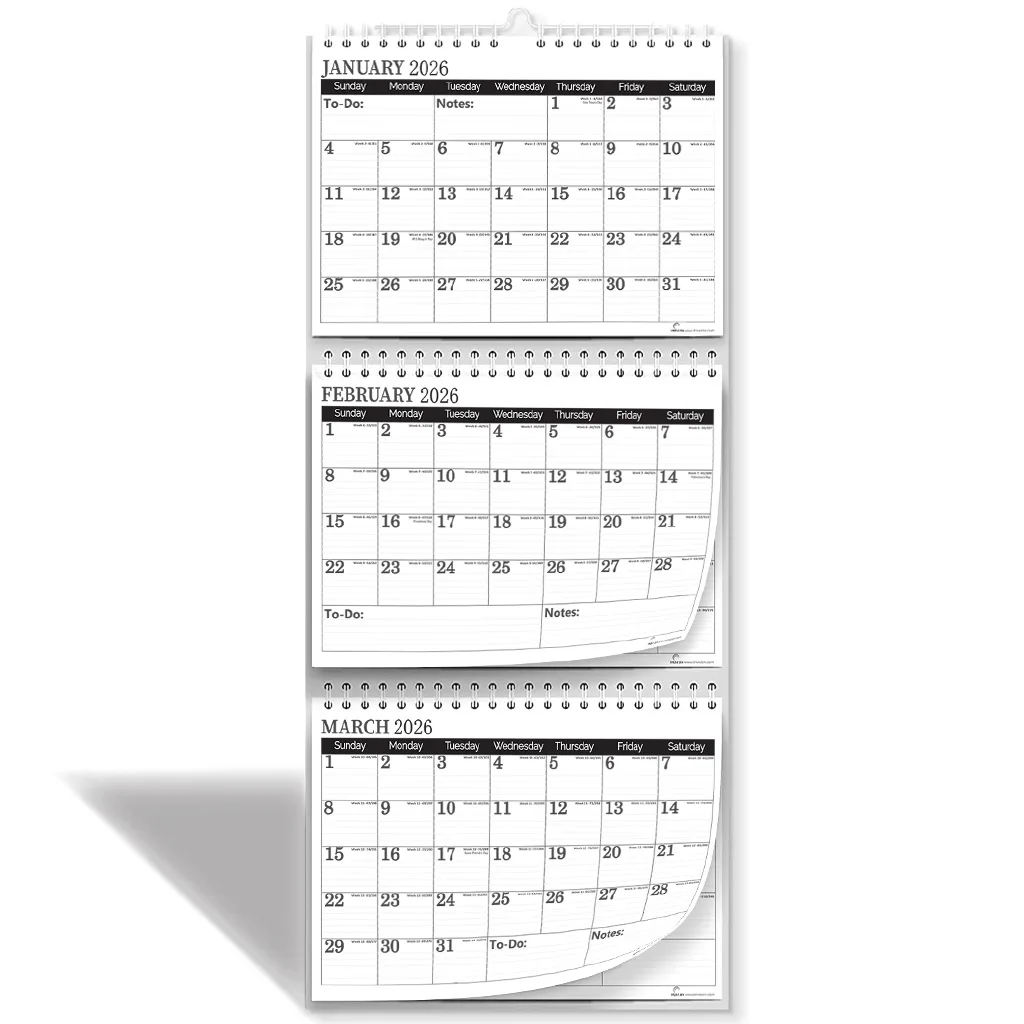
Price: $19.99
6. Work Productivity Systems for 2026
Whether you work from home or in an office, productivity increases dramatically when you set up your workspace intentionally.
Essential Components of an Organized Workspace
- Clean desk surface
- Dedicated zones for urgent, active, and completed work
- Physical calendar or planner
- Storage solutions
- A simple filing or sorting system
- Limited distractions

What to Remove
- Old papers
- Miscellaneous clutter
- Excessive gadgets
- Visual noise
Your workspace should help you focus — not overwhelm you.
7. Professional Time Management Tools
Professionals stay more organized when they use a consistent system.
Most Effective Tools for 2026
Desk Calendars
Great for quick daily visibility.
Monthly Planners
Ideal for project timelines, appointments, and long-term planning.
Large Wall Calendars
Useful for offices, remote workers, and teams.
Task Management Boards
For tracking deadlines, meetings, and workflow patterns.
8. Study and School Organization Strategies
Students thrive in environments where structure and schedule clarity are prioritized. By preparing for the 2026 school year early, they build habits that help improve academic performance.
Give Students Their Own Planner
A student planner helps track:
- Assignments
- Tests
- Projects
- Study schedules
- Extracurricular activities
Create a Dedicated Homework Space
Ideal components include:
- Clutter-free desk
- Good lighting
- Minimal distractions
- A small drawer of supplies
- A wall or desk calendar

Weekly Student Routine
- Backpack reset
- Weekly review
- Prepare lunches/outfits
- Set study goals
- Organize deadlines
9. Routines That Improve Efficiency All Year
Routines simplify decision-making and reduce chaos. For 2026, focus on building routines in four key areas: daily, weekly, monthly, and yearly.
Daily Routines
- Morning planning
- Quick tidy
- Calendar check
- End-of-day workplace reset
Weekly Routines
- Plan meals
- Review schedules
- Declutter surfaces
- Track project progress
Monthly Routines
- Update calendars
- Schedule appointments
- Set new goals
- Deep clean one area
Yearly Routines
- Replace expired planning tools
- Refresh workspaces
- Organize digital files
- Evaluate routines and systems

10. Step-by-Step 2026 Organizational Setup
This simple process helps you build a long-lasting system.
Step 1: Choose Your Tools
- Wall calendar
- Magnetic fridge calendar
- Desk calendar
- Monthly planner
- Student planner
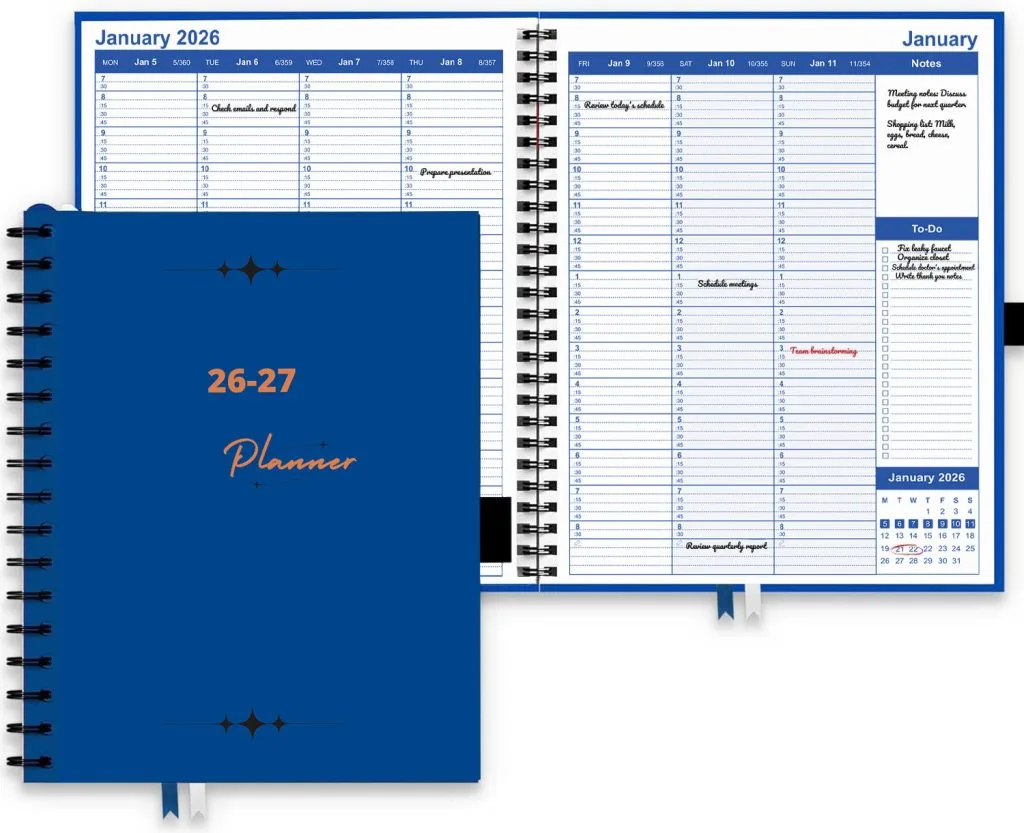
Price: $19.99
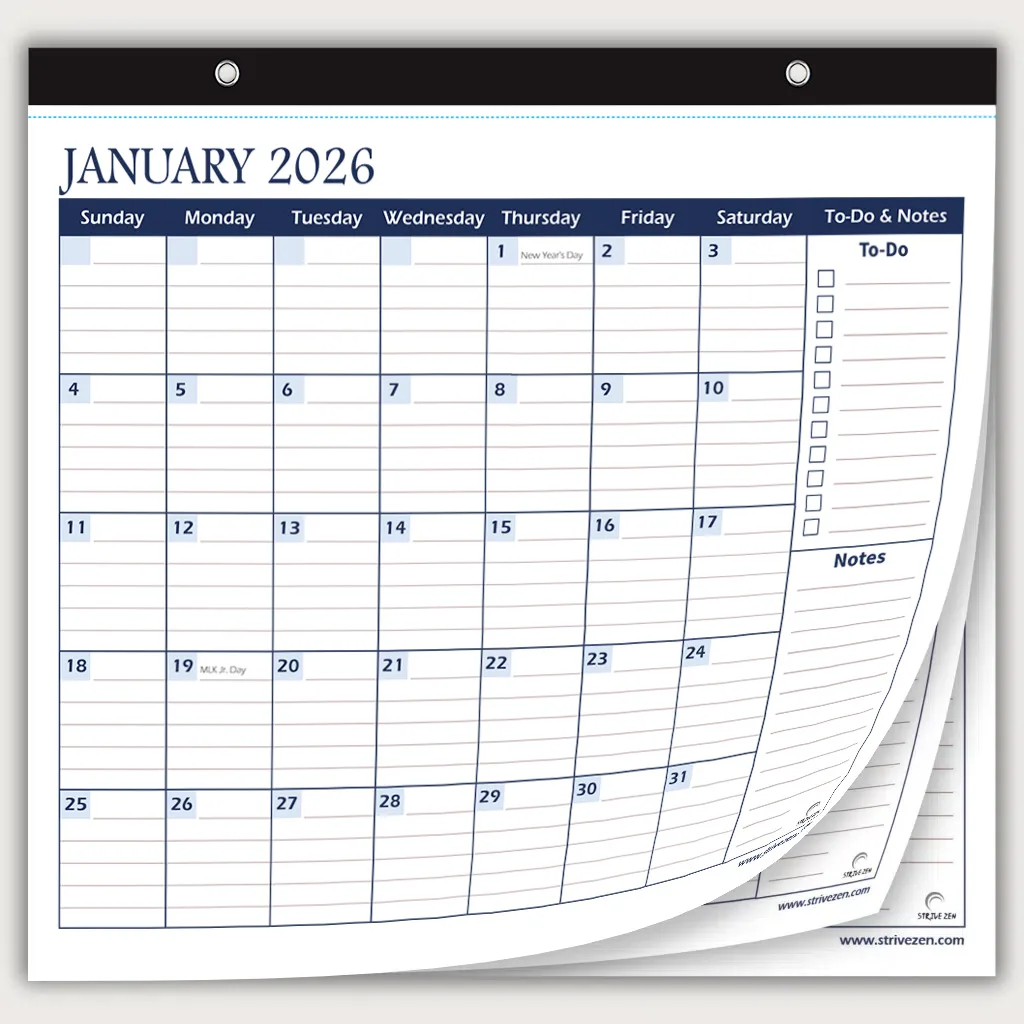
Price: $12.99
Step 2: Set Up Command Centers
Home, work, school.
Step 3: Build Routines
Daily, weekly, monthly.
Step 4: Brain Dump
List everything you need for 2026.
Step 5: Assign Information to Calendars
Separate yearly, monthly, weekly planning.
Step 6: Review Weekly
Adjust and refine.
11. Common Organization Mistakes People Make
Avoid these common pitfalls:
- Using too many planning tools
- Relying solely on digital apps
- Failing to build routines
- Overcomplicating systems
- Ignoring long-term planning
- Not reviewing schedules regularly

12. How to Maintain Organization All Year Long
Maintaining organization in 2026 requires consistency. Follow these strategies:
- Check your calendars daily
- Sync schedules weekly
- Declutter surfaces regularly
- Refresh workspaces monthly
- Replace tools yearly
- Keep systems simple
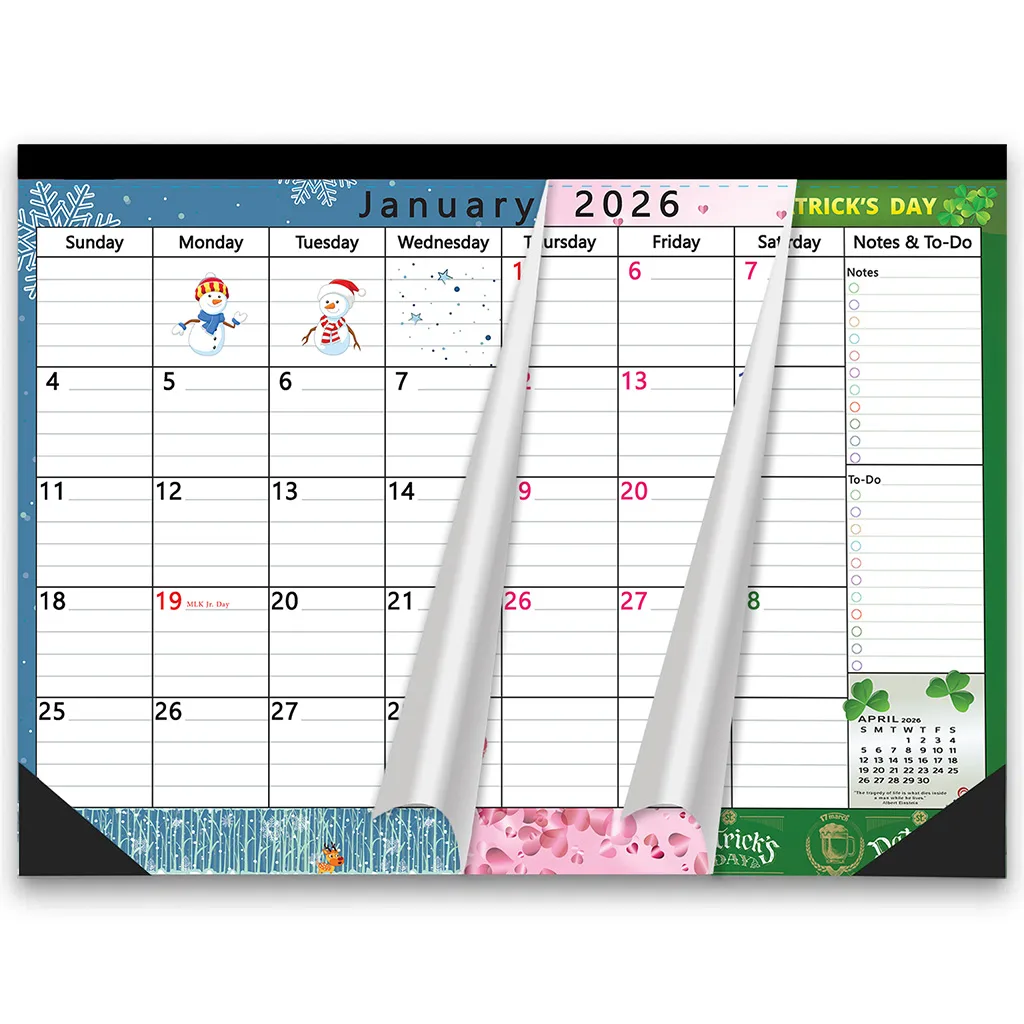
Price: $17.99
Final Thoughts: Make 2026 Your Most Organized Year Ever
Getting organized for 2026 is one of the best decisions you can make for your productivity, health, and peace of mind. By preparing early, building effective routines, and using structured planning tools like wall calendars, planners, and command centers, you create a solid foundation for a smoother and more successful year.
Whether you’re organizing your home, managing professional responsibilities, or helping students stay on track, the systems you build today will support you all year long.
Start preparing now — and step into 2026 with clarity, purpose, and confidence.